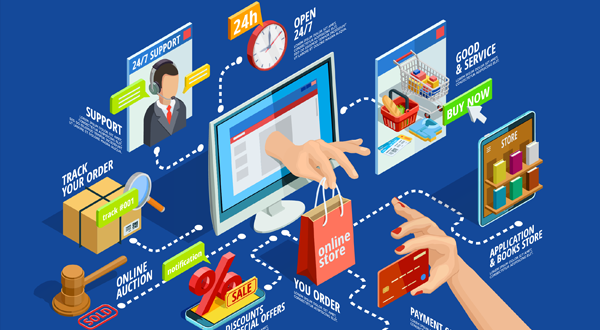
E-commerce isn’t just the future it’s the present. From bedroom-run startups to billion-dollar brands, online business has leveled the playing field and created endless opportunities for entrepreneurs worldwide.
But as the space grows more competitive, success isn’t just about launching a website. It’s about building a brand, creating seamless customer experiences, and leveraging the right tools and strategies to stand out.
Let’s break down what it takes to build a thriving online business in today’s fast-moving digital landscape.
1. The Rise of E-commerce: Why It’s More Than Just Selling Online
E-commerce has exploded, and not just because of convenience. Consumers today expect personalized shopping, fast delivery, and trustworthy digital experiences. Platforms like Shopify, WooCommerce, and BigCommerce make it easier than ever to start — but building a brand that lasts requires more than just a storefront.
Key Drivers of Modern E-commerce:
- Mobile-first browsing and purchasing
- Influencer-driven buying behavior
- Subscription-based convenience
- Trust in social proof (reviews, testimonials, UGC)
2. Choosing the Right E-commerce Platform
The tools you choose can either streamline your business or slow it down.
- Shopify: Great for beginners and scaling brands, with built-in tools and apps.
- WooCommerce: Ideal for WordPress users looking for flexibility.
- BigCommerce: Robust, scalable, and feature-rich.
- Wix & Squarespace: Easy to use for small stores or service-based businesses.
Pro Tip: Choose a platform based on your long-term goals, not just your current needs.
3. The Power of Product Positioning & Branding
Online, attention is limited your brand identity matters more than ever.
To win customers, you need:
- A clear value proposition
- Strong visual branding (logos, packaging, design)
- Consistent brand voice across platforms
Example:
Why do people choose Allbirds over generic shoes? It’s not just the product — it’s the story, the mission, and the community.
4. Digital Marketing That Converts
You can build the best store in the world — but without traffic, it won’t sell. That’s where digital marketing steps in.
Top Channels for E-commerce:
- Social Media Ads (Facebook, Instagram, TikTok)
- Email Marketing (Klaviyo, Mailchimp)
- SEO (optimize your product descriptions, blogs, meta tags)
- Influencer & Affiliate Marketing (leverage trusted voices in your niche)
Don’t just drive traffic. Optimize your site for conversion with clear CTAs, trust signals (like reviews), and fast checkout flows.
5. Logistics, Fulfillment & Customer Experience
Fast, reliable delivery is now the norm. Services like ShipBob, Deliverr, or Amazon FBA help streamline logistics.
Other key points:
- Offer multiple shipping options
- Keep customers informed with tracking updates
- Make returns easy and customer-friendly
Customer experience doesn’t end at checkout. In fact, post-purchase experience is where loyalty is built.
6. Analytics & Optimization: Scale Smarter
Growth isn’t just about more customers it’s about smarter decisions. Use data to guide your strategy.
Track:
- Conversion rate (what % of visitors buy)
- Cart abandonment rate
- Repeat purchase rate
- ROI on ad spend
Tools like Google Analytics, Hotjar, and Shopify’s dashboard give deep insights into what’s working and what’s not.
Final Thoughts: Build a Business, Not Just a Store
E-commerce is more than selling — it’s about building something that people trust, return to, and recommend. The most successful brands combine great products, powerful storytelling, seamless experiences, and strategic growth tactics.
At Bizova, we believe that the future of business lives online. Whether you’re launching your first product or scaling your 10th, now is the time to build bold, digital-first brands that customers can’t resist.
 Bizova