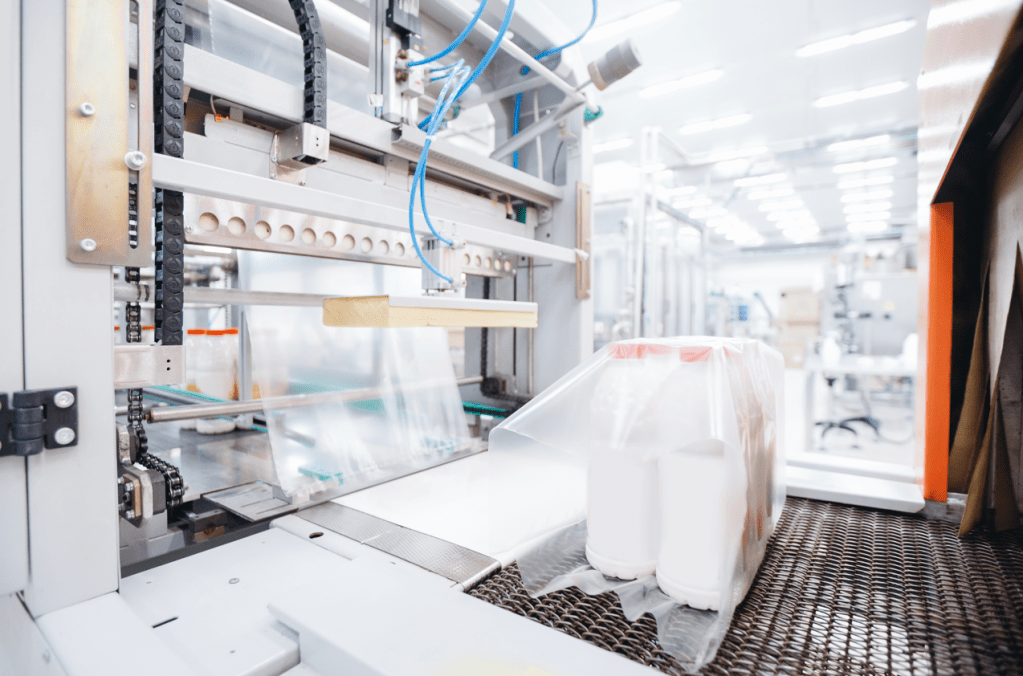
Sanitation compliance isn’t just about meeting regulations—it’s about protecting your brand, your employees, and your customers. In the food processing industry, even small lapses can lead to major consequences. That’s why staying ahead of sanitation requirements is critical.
In this article, we’ll share five key areas every food processing business owner and facility manager should prioritize to maintain compliance and ensure operational excellence. Let’s dive into them!
Implementing a Robust Sanitation Standard Operating Procedure (SSOP)
A well-documented SSOP is the foundation of any sanitation program. It outlines the specific steps, chemicals, tools, and frequency required to clean and sanitize equipment, surfaces, and production areas. But it’s not enough to simply have one—it must be tailored to your facility’s layout, product type, and risk profile. SSOPs should be detailed and easy to follow, with clear instructions for each cleaning task and designated responsibilities for staff.
Regular reviews and updates are essential, especially when introducing new machinery, changing production lines, or responding to audit findings. Training staff on SSOPs ensures consistency and accountability. When employees understand the “why” behind each step, they’re more likely to follow procedures correctly and report issues proactively. SSOPs also serve as your first line of defense during inspections, showing regulators that your facility takes sanitation seriously and has a structured plan in place to prevent contamination.
Prioritizing Environmental Monitoring for Early Detection
Environmental monitoring is a proactive way to detect microbial contamination before it affects your product. It involves routine sampling of surfaces, equipment, air, and water to identify pathogens like Listeria, Salmonella, and E. coli. This data helps pinpoint problem areas and refine cleaning protocols. A strong environmental monitoring program includes clear sampling plans, corrective actions, and trend analysis. It’s not just about collecting data—it’s about using it to improve.
Facilities that integrate environmental monitoring into their daily operations are better equipped to prevent recalls and maintain product integrity. It also demonstrates a commitment to food safety that goes beyond minimum compliance. When done consistently, environmental monitoring can reveal patterns that help you anticipate risks and adjust sanitation schedules accordingly. It’s a smart investment that supports both regulatory readiness and long-term operational resilience.
Maintaining Commercial HVAC Systems to Control Air Quality
Airborne contaminants can easily compromise food safety, especially in high-moisture or temperature-sensitive environments. That’s why commercial HVAC systems play a vital role in sanitation compliance. Proper ventilation helps regulate humidity, reduce microbial growth, and prevent cross-contamination between zones. But HVAC systems must be maintained regularly to perform effectively.
Filters should be changed on schedule, ducts cleaned, and airflow balanced to ensure optimal performance. Commercial HVAC maintenance done by professionals like McIntosh Heating & Cooling ensures your system meets industry standards and supports a clean processing environment. Their expertise can also help identify inefficiencies that may be affecting your energy costs or indoor air quality. Partnering with experienced technicians gives you peace of mind and helps you stay ahead of potential compliance issues.
Ensuring Proper Chemical Handling and Storage
Sanitation chemicals are powerful tools—but only when used correctly. Improper handling or storage can lead to safety hazards, ineffective cleaning, or regulatory violations. Facilities must clearly label all chemicals, store them in designated areas, and train staff on safe usage. Concentration levels should be monitored to ensure efficacy without damaging equipment or leaving residues that could affect product safety.
It’s also important to keep Safety Data Sheets (SDS) accessible and up to date. These documents provide critical information about chemical properties, hazards, and emergency procedures. During audits, inspectors often check for proper chemical documentation and storage practices. By maintaining a clean and organized chemical storage area, you reduce risk and reinforce your commitment to safety. Additionally, using color-coded containers and signage can help prevent mix-ups and ensure that chemicals are used in the correct areas of your facility.
Conducting Routine Internal Audits and Staff Training
Compliance isn’t a one-time achievement—it’s an ongoing process. Internal audits help identify gaps in your sanitation program before they become violations. These audits should cover everything from SSOP adherence to equipment cleanliness and documentation accuracy. Involving multiple departments in the audit process fosters a culture of accountability and continuous improvement.
Equally important is staff training. Employees should receive regular refreshers on sanitation protocols, food safety principles, and regulatory updates. When staff are well-trained, they’re more confident and consistent in their work. This not only improves compliance but also boosts morale and operational efficiency. Training should be interactive and tailored to different roles within the facility.
For example, line workers may need hands-on demonstrations, while supervisors benefit from deeper insights into regulatory standards and audit preparation. Encouraging open communication during training sessions also helps uncover hidden challenges. Employees often have valuable insights into workflow inefficiencies or sanitation blind spots. By creating a safe space for feedback, you empower your team to take ownership of food safety and contribute to a stronger compliance culture.
Conclusion
Sanitation compliance is more than a checklist—it’s a strategic investment in your business’s future. By focusing on SSOPs, environmental monitoring, HVAC maintenance, chemical safety, and ongoing audits, food processing facilities can stay ahead of regulations and protect their reputation. These essentials aren’t just about avoiding fines—they’re about building trust with customers and creating a safer, more efficient workplace.
When sanitation is treated as a core business priority, it strengthens every part of your operation—from product quality to employee engagement. Whether you’re managing a small facility or overseeing a large-scale processing plant, these five pillars will help you maintain compliance, reduce risk, and support long-term growth.
 Bizova
Leave a comment