Category: Blog

  • Learn Quran Online with an Online Tajweed Course for Accurate Recitation

    Learn Quran Online with an Online Tajweed Course for Accurate Recitation

    Introduction

    Learning the Quran is a sacred responsibility, and reciting it correctly is just as important as reading it. In today’s digital age, Muslims around the world can learn Quran online through structured programs that focus on accuracy, fluency, and understanding. One of the most effective ways to improve Quran recitation is by enrolling in an online Tajweed course, which ensures that every letter is pronounced according to proper Quranic rules.

    Why More Students Choose to Learn Quran Online

    The option to learn Quran online has transformed Islamic education. Students no longer need to travel long distances or depend on limited local resources. Instead, they can access qualified Quran teachers from anywhere in the world.

    Online learning provides flexibility for students of all ages. Whether you are a child, an adult beginner, or someone looking to refine recitation, online Quran learning allows you to progress at your own pace while maintaining consistency.

    The Importance of Tajweed in Quran Learning

    Tajweed refers to the set of rules governing the pronunciation of Quranic letters. Reading the Quran without Tajweed can change meanings and reduce the beauty of recitation. That is why an online Tajweed course is essential for anyone who wants to recite the Quran correctly.

    When students learn Quran online without Tajweed guidance, they often develop pronunciation mistakes that are difficult to correct later. A structured Tajweed course helps learners understand articulation points, elongation rules, and pauses from the very beginning.

    How an Online Tajweed Course Enhances Quran Learning

    An online Tajweed course provides focused instruction on proper recitation. Through live sessions, teachers listen carefully and correct mistakes in real time. This direct feedback is one of the biggest advantages of online learning.

    Students who learn Quran online with Tajweed instruction gain confidence in their recitation. Over time, their fluency improves, and they develop a stronger spiritual connection with the Quran.

    Key Benefits of Learning Quran Online with Tajweed

    1. Personalized Attention

    Many platforms offer one-on-one sessions, allowing teachers to focus entirely on the student’s pronunciation and progress.

    2. Qualified Quran Teachers

    Online Tajweed courses are usually taught by certified scholars and experienced Quran teachers who specialize in Tajweed rules.

    3. Flexible Schedules

    Learning Quran online allows students to choose class timings that fit their daily routine, making consistency easier to maintain.

    4. Comfortable Learning Environment

    Students learn better when they feel relaxed. Studying from home removes pressure and allows better concentration.

    Who Should Enroll in an Online Tajweed Course?

    An online Tajweed course is suitable for:

    • Beginners learning Quran reading
    • Adults correcting long-standing recitation mistakes
    • Children developing strong foundations
    • Reverts learning Quran pronunciation
    • Hifz students improving accuracy

    Anyone who wants to learn Quran online properly can benefit from Tajweed instruction.

    Conclusion

    Choosing to learn Quran online through a structured online Tajweed course is one of the most effective ways to achieve accurate and beautiful recitation. With expert guidance, flexible schedules, and personalized learning, online Quran education makes it easier than ever to fulfill the responsibility of reciting the Quran correctly and confidently.


  • 5 Strategies Leading Companies Adopt to Protect Their Information Assets

    5 Strategies Leading Companies Adopt to Protect Their Information Assets

    In today’s digital economy, information is one of the most valuable assets a company owns. Protecting it is not just about avoiding risks but also about building trust with clients, partners, and regulators. Leading companies understand that compliance is more than a checklist—it is a strategic approach to safeguarding data while enabling growth.

    Here are five proven strategies that successful organizations use to protect their information assets.

    Building a Culture of Security Awareness

    Strong compliance begins with people. Even the most advanced systems can fail if employees are not aware of their role in protecting information. Leading companies invest in regular training programs that teach staff how to recognize phishing attempts, handle sensitive data, and follow company policies. These sessions are designed to be practical and easy to understand, ensuring that employees know exactly what is expected of them.

    By embedding security awareness into the company culture, businesses reduce the risk of human error, which is often the weakest link in data protection. Managers also lead by example, reinforcing the importance of compliance in everyday operations. This cultural shift makes security a shared responsibility across the organization, rather than a task left only to the IT department.

    Implementing Robust Access Controls

    Another key strategy is controlling who has access to information. Companies that excel in compliance use layered access controls to ensure that only authorized individuals can view or modify sensitive data. This often includes multi-factor authentication, role-based permissions, and regular audits of user accounts.

    Access control is not just about technology; it is also about policy. Businesses establish clear guidelines on how data should be accessed, stored, and shared. By limiting access to only what is necessary, they minimize the chances of accidental leaks or malicious activity. Regular reviews of access rights also help organizations adapt to changes in staff roles and responsibilities, keeping systems secure over time.

    Aligning With ISO 27001 Certification

    Global leaders in compliance often turn to recognized standards to guide their practices. ISO 27001 certification is one of the most respected frameworks for information security management. Achieving this certification demonstrates that a company has implemented a systematic approach to managing sensitive information, including risk assessment, security controls, and continuous improvement.

    The process of obtaining ISO 27001 certification requires organizations to evaluate their current practices, identify vulnerabilities, and establish documented procedures. This not only strengthens internal security but also reassures clients and partners that the company is committed to protecting data. For many businesses, certification becomes a competitive advantage, opening doors to new markets and partnerships where compliance is a prerequisite.

    Conducting Regular Risk Assessments and Audits

    Compliance is not a one-time effort. Leading companies know that risks evolve as technology and business operations change. That is why they conduct regular risk assessments to identify new threats and evaluate the effectiveness of existing controls. These assessments often include penetration testing, vulnerability scans, and reviews of third-party vendors.

    Audits play a critical role in verifying that policies are being followed and that systems are functioning as intended. Internal audits help organizations catch issues early, while external audits provide an independent perspective. Together, these practices create a cycle of continuous improvement, ensuring that compliance strategies remain effective in the face of emerging challenges.

    Integrating Compliance Into Business Strategy

    The most successful companies do not treat compliance as a separate function. Instead, they integrate it into their overall business strategy. This means aligning compliance goals with broader objectives such as customer trust, operational efficiency, and market expansion. When compliance is seen as a driver of value rather than a cost, it becomes easier to secure executive support and resources.

    Integration also ensures that compliance measures are practical and scalable. For example, when launching new products or entering new markets, companies consider compliance requirements from the start. This proactive approach reduces delays, avoids costly rework, and strengthens the organization’s reputation. By embedding compliance into strategic planning, businesses position themselves for sustainable growth while protecting their most critical assets.

    Conclusion

    Protecting information assets is essential for every modern business. Leading companies achieve this by fostering a culture of awareness, enforcing strong access controls, aligning with standards like ISO 27001 certification, conducting ongoing risk assessments, and integrating compliance into their overall strategy.

    These approaches not only safeguard data but also build trust, enhance resilience, and create opportunities for growth. For business owners and managers, adopting these strategies is a powerful way to secure the future of their organizations.

  • Short-Term vs Long-Term Trading: Why CFDs Are Dominating Tactical Market Strategies

    Short-Term vs Long-Term Trading: Why CFDs Are Dominating Tactical Market Strategies

    In today’s fast-moving financial landscape, traders face a crucial decision before they ever open a position: should they take a short-term or long-term approach? Each style has its own rhythm, its own demands and its own potential rewards. Yet, over the past few years, a powerful trend has emerged across global markets. More traders are gravitating toward Contracts for Difference, or CFDs, as a flexible vehicle that supports both fast tactical moves and patient strategic positioning.

    Whether you are someone who enjoys quick market action or a trader who prefers to ride broader economic themes, the dynamic nature of CFDs has made them a preferred instrument for navigating modern volatility. Understanding the differences between short-term and long-term trading, and seeing how CFDs fit into each approach, can help you build a strategy that feels grounded, intentional and aligned with your goals.

    Understanding the Mindset Behind Short-Term and Long-Term Trading

    Both trading styles appeal to different temperaments. Short-term trading attracts those who thrive in environments where news, chart patterns and intraday movements take centre stage. The idea is simple: opportunities appear and disappear quickly, and traders aim to capture small but frequent price swings. This style demands discipline, speed and constant awareness of market sentiment.

    Long-term trading feels very different. Instead of scanning charts minute by minute, long-term traders examine broader economic cycles, interest rate trends, corporate performance and geopolitical developments. Their positions may span weeks, months or even years. The goal is not daily excitement but steady, strategic exposure to market growth or sector-wide shifts.

    The two approaches may seem worlds apart, but both live comfortably within the CFD space. That versatility is one of the key reasons CFDs have become such a dominant part of tactical market strategies.

    Why CFDs Work So Well for Short-Term Trading

    Short-term traders often rely on CFDs for the simple reason that these instruments are designed with speed, flexibility and cost-efficiency in mind. CFDs allow traders to speculate on price movements without owning the underlying asset. This structure eliminates many of the frictions that traditional instruments carry and allows traders to focus purely on movement and momentum.

    For intraday trading, this matters. Spreads tend to be tight, execution speed is crucial, and the ability to go long or short instantly helps traders respond to breaking developments. Markets rarely move in a straight line, and CFDs offer the agility needed to manage sudden momentum shifts. A single headline, economic data release or earnings announcement can cause rapid changes. Having an instrument built for instant reaction is one reason many short-term traders choose CFDs as their main tool.

    Risk management also plays a central role. Short-term traders often rely on stop-losses, limit orders and strict position sizing. CFDs make these controls accessible and customisable, supporting the precision traders need when their strategies hinge on timing.

    The Advantages of CFDs for Long-Term Positioning

    Even though CFDs are widely known for their appeal to active traders, they can also be used effectively in longer-term strategies. Long-term traders gravitate toward macro-focused moves, such as following central bank cycles, monitoring inflation patterns or participating in sector expansions.

    CFDs allow long-term traders to access global markets across asset classes without having to tie up large amounts of capital. The ability to hold positions over longer periods, while maintaining the flexibility to adjust, reduce or hedge exposure, gives traders more control over their portfolios.

    A long-term CFD position can be part of a broader diversified strategy. For example, a trader might hold spot equities in a retirement portfolio but use CFD positions to hedge against short-term downside risks. The adaptability of CFDs allows long-term traders to navigate uncertainty while maintaining their core investment outlook. This balance between flexibility and commitment is a major reason CFDs have become integral to both tactical and strategic investing styles.

    Why CFDs Are Playing a Bigger Role in Tactical Market Strategies

    What truly sets CFDs apart is how well they bridge the gap between short-term and long-term methodologies. Traders today must navigate an environment defined by volatility, global connectivity and rapid information flow. Markets shift quickly, and opportunities emerge across multiple asset classes. CFDs give traders access to indices, forex, commodities and equities in one streamlined environment.

    Many traders now rely on established platforms such as adss.com when building tactical strategies across time horizons. This integration of tools, asset availability and flexibility reflects the evolving needs of traders who want to respond strategically without unnecessary limitations.

    Tactical strategies often blend both long- and short-term thinking. A trader may hold a long-term view on an index, expecting gradual growth over the next year, while also using short-term CFD trades to take advantage of temporary volatility spikes. This layered approach strengthens adaptability and allows traders to stay engaged with the market on multiple levels.

    Conclusion: The Future of Trading Is Flexible

    The distinction between short-term and long-term trading will always exist, but the arrival of versatile instruments like CFDs has blurred the edges. Rather than choosing one style over the other, more traders are learning to combine both approaches in ways that reflect their goals and the realities of modern market behaviour.

    CFDs have become central to this shift, offering access, agility and strategic depth. Whether you favour rapid market participation or long-term thematic positioning, CFDs provide a structure that helps you act with intention, rather than reacting blindly to market noise.

  • 5 Sanitation Compliance Essentials for Food Processing Businesses

    Sanitation compliance isn’t just about meeting regulations—it’s about protecting your brand, your employees, and your customers. In the food processing industry, even small lapses can lead to major consequences. That’s why staying ahead of sanitation requirements is critical.

    In this article, we’ll share five key areas every food processing business owner and facility manager should prioritize to maintain compliance and ensure operational excellence. Let’s dive into them!

    Implementing a Robust Sanitation Standard Operating Procedure (SSOP)

    A well-documented SSOP is the foundation of any sanitation program. It outlines the specific steps, chemicals, tools, and frequency required to clean and sanitize equipment, surfaces, and production areas. But it’s not enough to simply have one—it must be tailored to your facility’s layout, product type, and risk profile. SSOPs should be detailed and easy to follow, with clear instructions for each cleaning task and designated responsibilities for staff.

    Regular reviews and updates are essential, especially when introducing new machinery, changing production lines, or responding to audit findings. Training staff on SSOPs ensures consistency and accountability. When employees understand the “why” behind each step, they’re more likely to follow procedures correctly and report issues proactively. SSOPs also serve as your first line of defense during inspections, showing regulators that your facility takes sanitation seriously and has a structured plan in place to prevent contamination.

    Prioritizing Environmental Monitoring for Early Detection

    Environmental monitoring is a proactive way to detect microbial contamination before it affects your product. It involves routine sampling of surfaces, equipment, air, and water to identify pathogens like Listeria, Salmonella, and E. coli. This data helps pinpoint problem areas and refine cleaning protocols. A strong environmental monitoring program includes clear sampling plans, corrective actions, and trend analysis. It’s not just about collecting data—it’s about using it to improve.

    Facilities that integrate environmental monitoring into their daily operations are better equipped to prevent recalls and maintain product integrity. It also demonstrates a commitment to food safety that goes beyond minimum compliance. When done consistently, environmental monitoring can reveal patterns that help you anticipate risks and adjust sanitation schedules accordingly. It’s a smart investment that supports both regulatory readiness and long-term operational resilience.

    Maintaining Commercial HVAC Systems to Control Air Quality

    Airborne contaminants can easily compromise food safety, especially in high-moisture or temperature-sensitive environments. That’s why commercial HVAC systems play a vital role in sanitation compliance. Proper ventilation helps regulate humidity, reduce microbial growth, and prevent cross-contamination between zones. But HVAC systems must be maintained regularly to perform effectively.

    Filters should be changed on schedule, ducts cleaned, and airflow balanced to ensure optimal performance. Commercial HVAC maintenance done by professionals like McIntosh Heating & Cooling ensures your system meets industry standards and supports a clean processing environment. Their expertise can also help identify inefficiencies that may be affecting your energy costs or indoor air quality. Partnering with experienced technicians gives you peace of mind and helps you stay ahead of potential compliance issues.

    Ensuring Proper Chemical Handling and Storage

    Sanitation chemicals are powerful tools—but only when used correctly. Improper handling or storage can lead to safety hazards, ineffective cleaning, or regulatory violations. Facilities must clearly label all chemicals, store them in designated areas, and train staff on safe usage. Concentration levels should be monitored to ensure efficacy without damaging equipment or leaving residues that could affect product safety.

    It’s also important to keep Safety Data Sheets (SDS) accessible and up to date. These documents provide critical information about chemical properties, hazards, and emergency procedures. During audits, inspectors often check for proper chemical documentation and storage practices. By maintaining a clean and organized chemical storage area, you reduce risk and reinforce your commitment to safety. Additionally, using color-coded containers and signage can help prevent mix-ups and ensure that chemicals are used in the correct areas of your facility.

    Conducting Routine Internal Audits and Staff Training

    Compliance isn’t a one-time achievement—it’s an ongoing process. Internal audits help identify gaps in your sanitation program before they become violations. These audits should cover everything from SSOP adherence to equipment cleanliness and documentation accuracy. Involving multiple departments in the audit process fosters a culture of accountability and continuous improvement.

    Equally important is staff training. Employees should receive regular refreshers on sanitation protocols, food safety principles, and regulatory updates. When staff are well-trained, they’re more confident and consistent in their work. This not only improves compliance but also boosts morale and operational efficiency. Training should be interactive and tailored to different roles within the facility.

    For example, line workers may need hands-on demonstrations, while supervisors benefit from deeper insights into regulatory standards and audit preparation. Encouraging open communication during training sessions also helps uncover hidden challenges. Employees often have valuable insights into workflow inefficiencies or sanitation blind spots. By creating a safe space for feedback, you empower your team to take ownership of food safety and contribute to a stronger compliance culture.

    Conclusion

    Sanitation compliance is more than a checklist—it’s a strategic investment in your business’s future. By focusing on SSOPs, environmental monitoring, HVAC maintenance, chemical safety, and ongoing audits, food processing facilities can stay ahead of regulations and protect their reputation. These essentials aren’t just about avoiding fines—they’re about building trust with customers and creating a safer, more efficient workplace.

    When sanitation is treated as a core business priority, it strengthens every part of your operation—from product quality to employee engagement. Whether you’re managing a small facility or overseeing a large-scale processing plant, these five pillars will help you maintain compliance, reduce risk, and support long-term growth.

  • How to Train Employees on ATM Security Best Practices

    Learn how to effectively train employees on ATM security best practices to protect against fraud and ensure safety. Discover essential tips for safeguarding ATMs.

    ATM security is critical in maintaining the safety of both your customers and your business. With the rise of fraudulent activities, such as skimming, card trapping, and unauthorized access, it’s more important than ever to ensure that your employees are trained on the latest ATM security best practices. In this blog, we’ll guide you through how to effectively train your employees and implement the best security measures to protect your ATMs.

    1. Understanding ATM Security Threats

    The first step in training employees is making sure they understand the common security threats surrounding ATMs. Fraudulent activities like card skimming, cash trapping, and phishing attempts are prevalent at ATMs. When employees know the signs of suspicious behavior or equipment tampering, they can act quickly to prevent any potential fraud.

    2. Implement Regular Security Training Programs

    Security training should be an ongoing effort, not a one-time event. Ensure that your employees participate in regular security training programs. These should include detailed explanations of the latest ATM security threats, how to recognize potential risks, and the correct procedures for addressing them. Include real-world examples of ATM fraud cases and discuss how employees can protect against these situations.

    3. Teach Employees How to Recognize Tampering Devices

    One of the most important aspects of ATM security training is teaching employees how to identify tampering devices. Encourage them to inspect ATMs frequently for anything unusual, like added components, loose parts, or changes in appearance. Common tampering devices include card skimmers, which can be placed over card readers, and pinhole cameras that capture sensitive customer data.

    4. Implement Strong Password Management

    A critical area of ATM security is ensuring that employees understand the importance of password management. They should be educated on the risks of using weak or repeated passwords and the significance of maintaining secure login information. Encourage the use of complex passwords and multi-factor authentication for employees who have access to ATM systems and data.

    5. Establish a Clear Reporting Process

    Employees must know how to report any security incidents or concerns. Create a clear reporting system that allows them to quickly escalate issues such as suspicious activity or malfunctioning equipment. A timely response can prevent further damage or loss.

    6. Security Best Practices for Customers

    Training employees on how to educate customers is just as crucial. They should be able to provide clear instructions on how customers can securely use ATMs. Encourage employees to advise customers on checking for unusual equipment or signs of tampering before using an ATM, and inform them of the risks associated with sharing their PINs with others.

    7. Monitor and Audit ATM Activity Regularly

    Ensure that employees are aware of the importance of continuous monitoring of ATM activity. This can involve reviewing transaction logs for suspicious behavior or ensuring that all ATMs are checked regularly for vulnerabilities. Regular audits can help detect any irregularities early.

    8. Foster a Security-First Culture

    Instilling a culture of security throughout your organization is essential for long-term protection. Make security a priority at every level, from employees on the front lines to higher management. Encourage open communication about security concerns and make sure that everyone is invested in keeping ATMs secure.

    If you’re looking to enhance your ATM security and ensure your employees are properly trained, contact Atlantic Processing today. Our comprehensive ATM security training programs will help your team stay ahead of emerging threats and keep your machines secure. Reach out now to schedule a consultation!

    This post was written by a professional at Atlantic Processing. Atlantic Processing, headquartered in the Tampa Bay area, is a leading national ATM processing and service provider. We specialize in comprehensive ATM placements, processing, sales, and service, catering to retail and financial institutions across the United States. Our commitment to excellence and customer satisfaction ensures that our clients receive top-tier service and support. Whether you need a new ATM installation, efficient processing solutions, or reliable maintenance, Atlantic Processing is your trusted partner in keeping your ATM operations running smoothly and efficiently. Contact us today and get started with your very own ATMs.

  • Virtual Office Perks: Address, Mail Handling, and Beyond

    In today’s fast-paced, digitally-driven world, businesses of all sizes are opting for virtual offices to stay competitive and flexible. One of the most significant perks of using a virtual office is the ability to maintain a professional presence while minimizing overhead costs. But what exactly are the benefits of having a virtual office? Let’s dive into the key perks that can help your business grow, including a prestigious business address, professional mail handling, and much more.

    1. Prestigious Business Address

    One of the first things a virtual office provides is a professional business address. Instead of using your home address or a P.O. box, a virtual office gives your company a legitimate, well-regarded address in a prime location. This not only boosts your credibility but also gives clients and partners the assurance that you’re serious about your business. Whether you’re based in a home office, on the go, or running an entirely online operation, this prestigious address can have a significant impact on your brand image and client perception.

    2. Professional Mail Handling

    Mail handling is another crucial perk of virtual office services. Instead of worrying about missed deliveries or managing personal and business correspondence at the same address, a virtual office provides dedicated professionals who can handle your incoming mail. This means your letters, packages, and documents are sorted and forwarded to you, giving you the peace of mind that no important communications are lost. Whether you are in another city, state, or country, you can still have your business mail efficiently delivered wherever you are.

    3. Business Call Management

    Many virtual office providers offer business call management services as part of their package. This includes features like answering calls in your company’s name, forwarding calls to your mobile or voicemail, and screening calls so you’re never interrupted by unnecessary inquiries. This level of professionalism ensures that your business stays on top of client communications without taking up your valuable time.

    4. Access to Meeting Rooms and Office Space

    Another advantage of a virtual office is the ability to access physical office spaces as needed. Whether you have an important client meeting or need a place to brainstorm with your team, many virtual office providers offer access to meeting rooms and private office spaces on a short-term basis. This flexibility means you don’t have to worry about booking long-term office space or dealing with the hassle of location-related logistics. You can book meeting rooms for a few hours, ensuring you have the perfect setting for crucial business discussions.

    5. Cost-Effectiveness

    When it comes to running a business, cost management is key. Traditional office spaces come with hefty rent prices, utilities, maintenance, and other overhead expenses. A virtual office allows you to cut these costs dramatically while still providing a professional appearance to your clients. For businesses just starting out or entrepreneurs looking to save, this is a significant perk that can lead to long-term financial savings.

    6. Work Flexibility and Mobility

    Perhaps the biggest benefit of a virtual office is the flexibility it provides. Business owners and employees can work from anywhere, whether it’s from home, a café, or even a different country. With remote work on the rise, a virtual office enables you to keep operations running smoothly without the constraints of a physical location. Whether your business is a startup or a large corporation, the mobility offered by a virtual office is an invaluable tool for growth.

    Conclusion

    A virtual office provides numerous benefits that can help your business thrive in today’s competitive environment. From a prestigious business address and mail handling to cost savings and flexibility, these perks make virtual offices an excellent choice for businesses of all types. If you’re looking to establish a professional presence, streamline your operations, and reduce costs, a virtual office could be the perfect solution.

    If you’re looking to take advantage of these perks for your business, look no further. At Signature Workspace, we offer affordable and flexible virtual office packages designed to help your business succeed. Contact us today to learn more about our services and how we can help you elevate your business to the next level!

    This post was written by Tara Kintz. Tara is a director at Signature Workspace. Signature Workspace, owned and operated by Cantor Fund Management, offers services and amenities such as private offices, flex space, co-working space, virtual offices, meeting/conference rooms, and more. Click here for more information.

  • How Event Coordination Helps Build Media Relationships

    If you’re in tech, healthcare, law, or real estate, you’ve probably attended your fair share of industry events. But here’s a question most professionals don’t consider: Are your events helping you build actual media relationships, or are they just photo ops? At Otter PR, we’ve seen firsthand how smart event coordination can turn networking opportunities into media gold, especially when managed by an experienced publicist.

    Events are more than just branding exercises—they’re magnets for press, influencers, and high-value connections. But only if they’re done right. When our publicists help coordinate events, we’re not just organizing logistics—we’re crafting strategic moments that attract media attention and build meaningful relationships with journalists.

    Let’s say you’re hosting a product showcase, a community forum, or a thought leadership panel. Instead of sending a generic invite, we target the right media contacts, personalize outreach, and pitch the event as a story opportunity, not just an RSVP. This makes a huge difference in whether a reporter shows up or skips the event entirely.

    Otter PR’s public relations agency also helps clients make the most of every press interaction. We provide media kits, coordinate interviews, manage press rooms, and even prep key speakers with talking points tailored to each journalist in the room. We know how to make reporters’ jobs easier—and that goodwill often turns into long-term relationships.

    Even if your event is private or invite-only, media relationships can still be strengthened. Hosting an intimate dinner with industry leaders? We help you bring in select journalists as guests or offer exclusive follow-ups and story angles after the event. These one-on-one moments often lead to deeper mediatruth and better coverage down the line.

    What’s even better is that every event gives you content to repurpose. Photos, video clips, quotes, and behind-the-scenes stories can be shared on social, turned into press releases, or pitched as part of a larger media strategy. It’s the gift that keeps on giving.

    Whether you’re planning a launch in Miami, a healthcare summit in New York, or a legal conference in Los Angeles, a great publicist ensures your event isn’t just seen—it’s remembered. And most importantly, it becomes a springboard for stronger media connections.

    Ready to make your next event work harder for your brand? Book a strategy call with Otter PR, and let’s turn your next gathering into a media moment.

    This post was written by a professional at Otter Public Relations. Otter Public Relations is the fastest-growing PR services Miami and its growing team of 35+ publicists and media partners focus on getting your story told in the local and national media. Let Otter PR support your business in; Media relations, Crisis Communications, and Reputation Management.

  • E-commerce & Online Business: Building Brands in the Digital Age

    E-commerce & Online Business: Building Brands in the Digital Age

    E-commerce isn’t just the future it’s the present. From bedroom-run startups to billion-dollar brands, online business has leveled the playing field and created endless opportunities for entrepreneurs worldwide.

    But as the space grows more competitive, success isn’t just about launching a website. It’s about building a brand, creating seamless customer experiences, and leveraging the right tools and strategies to stand out.

    Let’s break down what it takes to build a thriving online business in today’s fast-moving digital landscape.

    1. The Rise of E-commerce: Why It’s More Than Just Selling Online

    E-commerce has exploded, and not just because of convenience. Consumers today expect personalized shopping, fast delivery, and trustworthy digital experiences. Platforms like Shopify, WooCommerce, and BigCommerce make it easier than ever to start — but building a brand that lasts requires more than just a storefront.

    Key Drivers of Modern E-commerce:

    • Mobile-first browsing and purchasing
    • Influencer-driven buying behavior
    • Subscription-based convenience
    • Trust in social proof (reviews, testimonials, UGC)

    2. Choosing the Right E-commerce Platform

    The tools you choose can either streamline your business or slow it down.

    • Shopify: Great for beginners and scaling brands, with built-in tools and apps.
    • WooCommerce: Ideal for WordPress users looking for flexibility.
    • BigCommerce: Robust, scalable, and feature-rich.
    • Wix & Squarespace: Easy to use for small stores or service-based businesses.

    Pro Tip: Choose a platform based on your long-term goals, not just your current needs.

    3. The Power of Product Positioning & Branding

    Online, attention is limited your brand identity matters more than ever.

    To win customers, you need:

    • A clear value proposition
    • Strong visual branding (logos, packaging, design)
    • Consistent brand voice across platforms

    Example:
    Why do people choose Allbirds over generic shoes? It’s not just the product — it’s the story, the mission, and the community.

    4. Digital Marketing That Converts

    You can build the best store in the world — but without traffic, it won’t sell. That’s where digital marketing steps in.

    Top Channels for E-commerce:

    • Social Media Ads (Facebook, Instagram, TikTok)
    • Email Marketing (Klaviyo, Mailchimp)
    • SEO (optimize your product descriptions, blogs, meta tags)
    • Influencer & Affiliate Marketing (leverage trusted voices in your niche)

    Don’t just drive traffic. Optimize your site for conversion with clear CTAs, trust signals (like reviews), and fast checkout flows.

    5. Logistics, Fulfillment & Customer Experience

    Fast, reliable delivery is now the norm. Services like ShipBob, Deliverr, or Amazon FBA help streamline logistics.

    Other key points:

    • Offer multiple shipping options
    • Keep customers informed with tracking updates
    • Make returns easy and customer-friendly

    Customer experience doesn’t end at checkout. In fact, post-purchase experience is where loyalty is built.

    6. Analytics & Optimization: Scale Smarter

    Growth isn’t just about more customers it’s about smarter decisions. Use data to guide your strategy.

    Track:

    • Conversion rate (what % of visitors buy)
    • Cart abandonment rate
    • Repeat purchase rate
    • ROI on ad spend

    Tools like Google Analytics, Hotjar, and Shopify’s dashboard give deep insights into what’s working and what’s not.

    Final Thoughts: Build a Business, Not Just a Store

    E-commerce is more than selling — it’s about building something that people trust, return to, and recommend. The most successful brands combine great products, powerful storytelling, seamless experiences, and strategic growth tactics.

    At Bizova, we believe that the future of business lives online. Whether you’re launching your first product or scaling your 10th, now is the time to build bold, digital-first brands that customers can’t resist.

  • Business Models & Innovation: The Blueprint Behind Disruption

    Business Models & Innovation: The Blueprint Behind Disruption

    In the world of business, having a great product or service is only part of the equation. What truly drives sustainable success is the business model—the engine that determines how you create, deliver, and capture value. And in a fast-changing market, innovation in your business model can be even more powerful than innovation in your product.

    Let’s dive into how modern businesses are rethinking their models, and why innovative thinking is the key to staying relevant and competitive.

    1. What Is a Business Model, Really?

    At its core, a business model answers three essential questions:

    • Who is your customer?
    • What value do you offer them?
    • How do you make money from it?

    It’s the structure that ties everything together from pricing and delivery to customer relationships and operational costs. Think of it as the blueprint of your business, and innovation is what upgrades it from a sketch to a skyscraper.

    2. Classic Business Models Still Win (When Done Right)

    There’s nothing wrong with classic models as long as they evolve with the times. Here are a few tried-and-true examples:

    • Retail: Sell physical products (e.g., Nike, Apple).
    • Subscription: Charge recurring fees (e.g., Netflix, Spotify).
    • Marketplace: Connect buyers and sellers (e.g., Uber, Airbnb).
    • Freemium: Offer a free basic service with paid upgrades (e.g., Canva, Dropbox).

    These models work—but innovative businesses tweak them to gain a competitive edge.

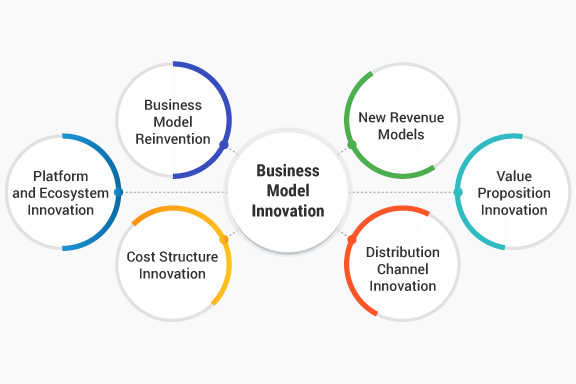
    3. Where Innovation Changes the Game

    Innovation doesn’t always mean inventing something new—it often means reimagining how value is delivered.

    Examples of Business Model Innovation:

    • Razor-and-Blades Model 2.0: Originally used by Gillette (cheap razor, expensive blades), now adapted by printer companies and even tech hardware firms.
    • Product-as-a-Service: Companies like Zoom or Adobe offer what was once software in a subscription format.
    • Direct-to-Consumer (DTC): Brands like Warby Parker and Glossier skipped the middlemen and built closer relationships with customers.
    • Platform Model: Think Amazon, which not only sells its own goods but enables third-party sellers to reach customers on its platform.

    4. Disruption Comes from Outside the Industry

    Many of the most disruptive models come from companies outside the traditional boundaries of an industry. Uber didn’t invent taxis—they reinvented the model. Airbnb didn’t build hotels they monetized trust and community.

    Key Insight:
    The most powerful innovations challenge the assumptions everyone else takes for granted.

    5. The Lean Startup & Testing Models Early

    Before going all-in on a new model, test it. The Lean Startup Methodology encourages building a Minimum Viable Product (MVP) and testing your assumptions with real customers.

    Ask:

    • Will people actually pay for this?
    • Can I deliver it efficiently?
    • Does it scale?

    Tools like Business Model Canvas and Value Proposition Canvas help you visualize and refine your model before heavy investment.

    6. The Future: Adaptive & Hybrid Models

    The most forward-thinking businesses don’t lock themselves into one model. They adapt and combine multiple strategies:

    • A fitness app might use freemium, subscription, and affiliate marketing.
    • An AI tool could offer one-time licenses, monthly access, and enterprise packages.

    Flexibility is the new strategy. The best models today are dynamic, not static.

    Final Thoughts: Build the Model Before the Product

    It’s tempting to fall in love with your product idea. But ask yourself: What model makes this business work long-term? Because a great idea with a weak model won’t survive.

    Innovation is not just about invention it’s about making business smarter, faster, and more relevant. At Bizova, we believe that the future belongs to those who not only build great things—but build the systems that make them thrive.

  • Modern Business Tech & Tools: The Digital Backbone of Growth

    Modern Business Tech & Tools: The Digital Backbone of Growth

    In today’s fast-paced landscape, businesses that adapt to modern technology aren’t just surviving they’re thriving. From automation to AI, cloud platforms to collaboration tools, tech has become the silent engine powering efficiency, innovation, and scale.

    Whether you’re running a startup or steering a growing enterprise, here’s a look at the essential technologies reshaping the way we work and compete.

    1. Cloud-Based Platforms: Work From Anywhere, Grow Without Limits

    Cloud tools have completely redefined the way businesses operate. Platforms like Google Workspace, Microsoft 365, and Slack allow teams to collaborate in real-time, regardless of location.

    The real advantage? Scalability and flexibility. You can add users, storage, or features as your business grows without worrying about infrastructure.

    Pro Tip: Use cloud storage with automated backups like Dropbox Business or Box to protect your critical files and data.

    2. Automation: Reclaim Time and Boost Accuracy

    Repetitive tasks kill productivity. That’s why automation is a game changer.

    Tools like Zapier, Make, and HubSpot Workflows let businesses automate everything from lead nurturing to social media posting, freeing up time for higher-value work.

    Use Cases:

    • Automatically add new customers to your CRM when they sign up.
    • Send follow-up emails after purchase without lifting a finger.
    • Trigger Slack alerts from form submissions or payments.

    3. Artificial Intelligence: Smart Insights, Smarter Decisions

    AI is no longer futuristic — it’s already helping businesses make data-driven decisions, personalize customer experiences, and even write content.

    AI tools like ChatGPT, Jasper, and Grammarly can supercharge marketing. Meanwhile, platforms like Pendo, Hotjar, and Tableau analyze user behavior and visualize trends.

    Key Benefits:

    • Predict customer needs before they tell you.
    • Optimize pricing, messaging, and campaigns based on real-time data.
    • Generate content faster with AI writing assistants.

    4. Project Management Tools: Keep Teams on Track

    Disorganized workflows waste time and money. That’s where project management software comes in.

    Platforms like Notion, ClickUp, Trello, and Asana allow you to centralize tasks, assign responsibilities, and track progress all in one place.

    Why It Matters:
    Clarity = accountability. Everyone knows what’s due, when, and by whom.

    5. Financial & Operations Tools: Stay Lean, Stay Informed

    Managing finances manually is risky and inefficient. Instead, modern businesses use smart tools to stay on top of cash flow, expenses, and forecasting.

    Popular picks:

    • QuickBooks or Xero for accounting
    • Stripe and Square for payments
    • Gusto or Deel for payroll and HR

    These tools offer real-time dashboards, so you always know where your money is going.

    Final Thoughts: Tech Is the New Business Partner

    Modern tools are more than just software—they’re your silent co-founders. They save time, cut costs, and open doors to insights you didn’t even know existed.

    The key is not to adopt every tool but to build a lean, powerful tech stack that fits your business model. Start small, optimize, and scale up.

    As the business world evolves, the companies that embrace tech not as a cost but as a strategic investment—will lead the charge.

Design a site like this with WordPress.com
Get started