Category: Blog

  • Business Models & Innovation: The Blueprint Behind Disruption

    Business Models & Innovation: The Blueprint Behind Disruption

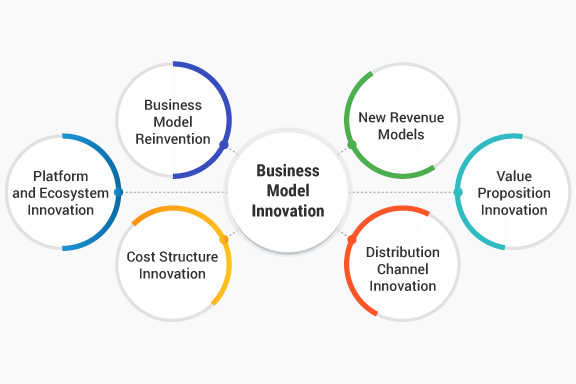
    In the world of business, having a great product or service is only part of the equation. What truly drives sustainable success is the business model—the engine that determines how you create, deliver, and capture value. And in a fast-changing market, innovation in your business model can be even more powerful than innovation in your product.

    Let’s dive into how modern businesses are rethinking their models, and why innovative thinking is the key to staying relevant and competitive.

    1. What Is a Business Model, Really?

    At its core, a business model answers three essential questions:

    • Who is your customer?
    • What value do you offer them?
    • How do you make money from it?

    It’s the structure that ties everything together from pricing and delivery to customer relationships and operational costs. Think of it as the blueprint of your business, and innovation is what upgrades it from a sketch to a skyscraper.

    2. Classic Business Models Still Win (When Done Right)

    There’s nothing wrong with classic models as long as they evolve with the times. Here are a few tried-and-true examples:

    • Retail: Sell physical products (e.g., Nike, Apple).
    • Subscription: Charge recurring fees (e.g., Netflix, Spotify).
    • Marketplace: Connect buyers and sellers (e.g., Uber, Airbnb).
    • Freemium: Offer a free basic service with paid upgrades (e.g., Canva, Dropbox).

    These models work—but innovative businesses tweak them to gain a competitive edge.

    3. Where Innovation Changes the Game

    Innovation doesn’t always mean inventing something new—it often means reimagining how value is delivered.

    Examples of Business Model Innovation:

    • Razor-and-Blades Model 2.0: Originally used by Gillette (cheap razor, expensive blades), now adapted by printer companies and even tech hardware firms.
    • Product-as-a-Service: Companies like Zoom or Adobe offer what was once software in a subscription format.
    • Direct-to-Consumer (DTC): Brands like Warby Parker and Glossier skipped the middlemen and built closer relationships with customers.
    • Platform Model: Think Amazon, which not only sells its own goods but enables third-party sellers to reach customers on its platform.

    4. Disruption Comes from Outside the Industry

    Many of the most disruptive models come from companies outside the traditional boundaries of an industry. Uber didn’t invent taxis—they reinvented the model. Airbnb didn’t build hotels they monetized trust and community.

    Key Insight:
    The most powerful innovations challenge the assumptions everyone else takes for granted.

    5. The Lean Startup & Testing Models Early

    Before going all-in on a new model, test it. The Lean Startup Methodology encourages building a Minimum Viable Product (MVP) and testing your assumptions with real customers.

    Ask:

    • Will people actually pay for this?
    • Can I deliver it efficiently?
    • Does it scale?

    Tools like Business Model Canvas and Value Proposition Canvas help you visualize and refine your model before heavy investment.

    6. The Future: Adaptive & Hybrid Models

    The most forward-thinking businesses don’t lock themselves into one model. They adapt and combine multiple strategies:

    • A fitness app might use freemium, subscription, and affiliate marketing.
    • An AI tool could offer one-time licenses, monthly access, and enterprise packages.

    Flexibility is the new strategy. The best models today are dynamic, not static.

    Final Thoughts: Build the Model Before the Product

    It’s tempting to fall in love with your product idea. But ask yourself: What model makes this business work long-term? Because a great idea with a weak model won’t survive.

    Innovation is not just about invention it’s about making business smarter, faster, and more relevant. At Bizova, we believe that the future belongs to those who not only build great things—but build the systems that make them thrive.

  • Modern Business Tech & Tools: The Digital Backbone of Growth

    Modern Business Tech & Tools: The Digital Backbone of Growth

    In today’s fast-paced landscape, businesses that adapt to modern technology aren’t just surviving they’re thriving. From automation to AI, cloud platforms to collaboration tools, tech has become the silent engine powering efficiency, innovation, and scale.

    Whether you’re running a startup or steering a growing enterprise, here’s a look at the essential technologies reshaping the way we work and compete.

    1. Cloud-Based Platforms: Work From Anywhere, Grow Without Limits

    Cloud tools have completely redefined the way businesses operate. Platforms like Google Workspace, Microsoft 365, and Slack allow teams to collaborate in real-time, regardless of location.

    The real advantage? Scalability and flexibility. You can add users, storage, or features as your business grows without worrying about infrastructure.

    Pro Tip: Use cloud storage with automated backups like Dropbox Business or Box to protect your critical files and data.

    2. Automation: Reclaim Time and Boost Accuracy

    Repetitive tasks kill productivity. That’s why automation is a game changer.

    Tools like Zapier, Make, and HubSpot Workflows let businesses automate everything from lead nurturing to social media posting, freeing up time for higher-value work.

    Use Cases:

    • Automatically add new customers to your CRM when they sign up.
    • Send follow-up emails after purchase without lifting a finger.
    • Trigger Slack alerts from form submissions or payments.

    3. Artificial Intelligence: Smart Insights, Smarter Decisions

    AI is no longer futuristic — it’s already helping businesses make data-driven decisions, personalize customer experiences, and even write content.

    AI tools like ChatGPT, Jasper, and Grammarly can supercharge marketing. Meanwhile, platforms like Pendo, Hotjar, and Tableau analyze user behavior and visualize trends.

    Key Benefits:

    • Predict customer needs before they tell you.
    • Optimize pricing, messaging, and campaigns based on real-time data.
    • Generate content faster with AI writing assistants.

    4. Project Management Tools: Keep Teams on Track

    Disorganized workflows waste time and money. That’s where project management software comes in.

    Platforms like Notion, ClickUp, Trello, and Asana allow you to centralize tasks, assign responsibilities, and track progress all in one place.

    Why It Matters:
    Clarity = accountability. Everyone knows what’s due, when, and by whom.

    5. Financial & Operations Tools: Stay Lean, Stay Informed

    Managing finances manually is risky and inefficient. Instead, modern businesses use smart tools to stay on top of cash flow, expenses, and forecasting.

    Popular picks:

    • QuickBooks or Xero for accounting
    • Stripe and Square for payments
    • Gusto or Deel for payroll and HR

    These tools offer real-time dashboards, so you always know where your money is going.

    Final Thoughts: Tech Is the New Business Partner

    Modern tools are more than just software—they’re your silent co-founders. They save time, cut costs, and open doors to insights you didn’t even know existed.

    The key is not to adopt every tool but to build a lean, powerful tech stack that fits your business model. Start small, optimize, and scale up.

    As the business world evolves, the companies that embrace tech not as a cost but as a strategic investment—will lead the charge.

Design a site like this with WordPress.com
Get started