
Tag: home

  • Top Door Solutions for Commercial Buildings

    Top Door Solutions for Commercial Buildings

    Commercial buildings require door systems that do more than provide access. The right doors contribute to security, safety, efficiency, and overall building performance. Different facilities have unique requirements depending on their location and daily traffic levels. From protecting occupants during emergencies to improving operational workflows, selecting the right door solution is an important investment.

    Modern commercial doors are available in a wide range of designs and materials to meet these demands. Understanding the most common options can help property owners and facility managers make informed decisions. Below are some of the top door solutions used in commercial buildings today.

    Fire-Rated Doors

    Fire-rated doors are designed to help slow the spread of fire and smoke during an emergency. These doors create protective barriers that give occupants valuable time to evacuate safely. They are commonly installed in stairwells, corridors, utility rooms, and other critical areas throughout commercial buildings. Fire-rated doors must meet specific safety standards and are tested for their ability to withstand high temperatures.

    Many businesses choose durable materials that can maintain their integrity even under extreme conditions. In some specialized applications, components such as steel accordion doors may be incorporated into fire and smoke containment systems where flexibility and space efficiency are important. By enhancing life safety measures, fire-rated doors play a vital role in building code compliance and occupant protection.

    Hurricane Rated Doors

    Commercial properties located in coastal or storm-prone regions often benefit from hurricane-rated commercial doors. These doors are engineered to withstand high winds, flying debris, and severe weather conditions. Their reinforced construction helps protect building interiors from structural damage and water intrusion. Hurricane-rated doors are commonly used in schools, healthcare facilities, retail centers, and office buildings exposed to extreme weather risks.

    Advances in manufacturing have improved both the durability and appearance of these specialized door systems. Industry manufacturers like Horton Automatics have been offering sliding door systems that can withstand pressures that support safety and performance requirements in commercial environments. Choosing hurricane-rated commercial doors can help businesses improve resilience while minimizing potential storm-related disruptions.

    Automatic Sliding Doors

    Automatic sliding doors provide convenient and efficient access for both employees and visitors. They are commonly installed at entrances to hospitals, shopping centers, hotels, and office buildings. These doors help improve traffic flow by opening and closing automatically when motion is detected. Their hands-free operation can also support accessibility requirements and enhance user convenience.

    Modern systems often include energy-efficient features that help reduce heating and cooling losses. Automatic sliding doors are available in a variety of styles to complement different architectural designs. As a result, they remain one of the most popular commercial door solutions available today.

    Roll-Up Doors

    Roll-up doors are widely used in warehouses, distribution centers, and industrial facilities. Their compact design allows the door to roll neatly above the opening, maximizing available space. These doors provide reliable security while allowing quick access for vehicles, equipment, and personnel.

    Many roll-up door systems are designed for frequent operation and long-term durability. Insulated options are available to help maintain indoor temperatures and improve energy efficiency. Businesses can choose from various materials depending on their security and environmental requirements. Roll-up doors offer a practical balance of functionality, strength, and convenience.

    Glass Aluminum Storefront Doors

    Glass aluminum storefront doors create an attractive and professional appearance for commercial properties. They are frequently used in retail stores, restaurants, office buildings, and service-based businesses. The large glass panels allow natural light to enter the space, creating a welcoming environment for visitors.

    Aluminum framing provides durability while maintaining a sleek and modern look. These doors can be customized with different finishes, hardware, and security features. Many designs also support energy-efficient glazing options to improve building performance. Glass aluminum storefront doors are an excellent choice for businesses seeking both style and functionality.

    Security Doors

    Security doors are designed to provide enhanced protection against unauthorized access and potential threats. They are commonly installed in financial institutions, government facilities, data centers, and other high-security environments. These doors often feature reinforced materials, advanced locking systems, and impact-resistant construction.

    Modern security doors can be integrated with access control systems for improved monitoring and management. Despite their strength, many designs maintain a professional appearance that complements commercial architecture. Security doors help protect valuable assets while supporting a safer working environment. Their reliability makes them an essential component of many commercial security strategies.

    Conclusion

    Choosing the right door solution is an important part of designing and maintaining a successful commercial building. Each option serves a specific purpose, whether it focuses on safety, weather protection, accessibility, security, or operational efficiency. Fire-rated doors help safeguard occupants during emergencies, while hurricane-rated commercial doors offer protection against severe weather conditions.

    Automatic, roll-up, storefront, and security doors each provide unique benefits that support different business needs. Evaluating building requirements carefully can help ensure the best fit for a particular facility. Investing in quality door systems can improve both performance and long-term value. With the right solutions in place, commercial properties can better serve occupants while meeting industry standards and expectations.
  • When Your Water Heater Calls for Help: Repair Tips That Work

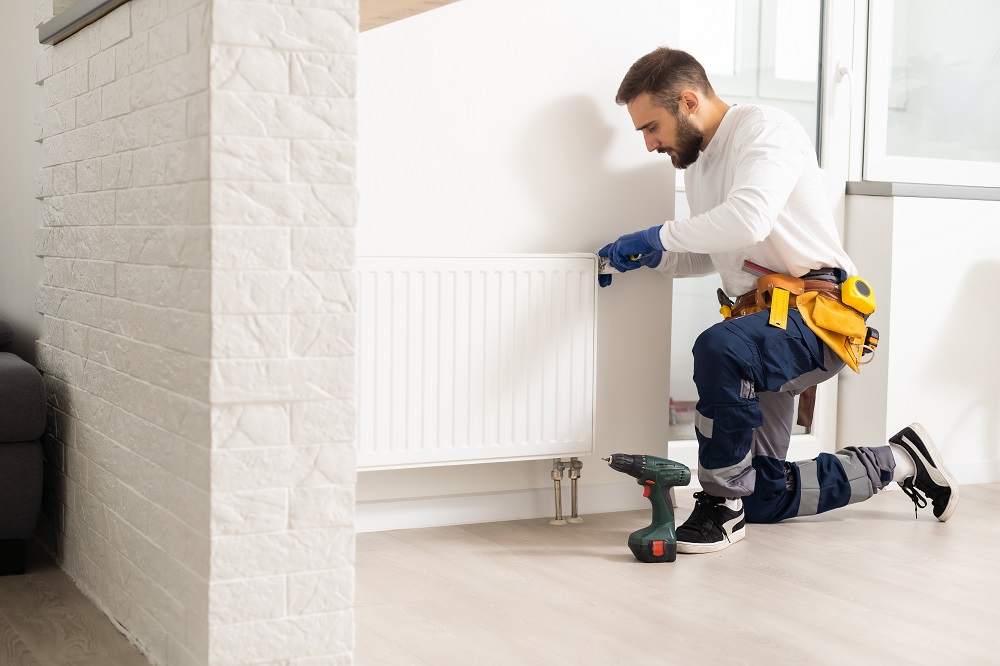
    When Your Water Heater Calls for Help: Repair Tips That Work

    Water heaters quietly power our daily routines, from morning showers to washing dishes, yet we rarely notice them—until they stop working. When your hot water becomes inconsistent, noisy, or disappears entirely, it’s a sign your heater is asking for help. Understanding common issues and timely fixes can save frustration, energy, and money.

    Many problems can be solved with simple maintenance, while others may need professional insight. This guide walks you through practical repair tips anyone can use at home. By paying attention to your water heater’s signals, you can prevent small annoyances from turning into major headaches. Even if you’ve never tackled a repair before, these steps are easy to follow and effective.

    Pay Attention to Strange Sounds

    Clanging, popping, or rumbling noises are more than minor annoyances—they often signal trouble. Sediment and mineral buildup in the tank can cause the heating element to overheat, producing unusual sounds. While occasional noises are normal, persistent or intensifying sounds deserve attention. Left unchecked, sediment can reduce efficiency and shorten the heater’s lifespan. Flushing the tank regularly is a simple way to prevent these issues. Even small changes in sound can hint at a deeper problem developing. Listening carefully to your water heater can help you catch issues early and avoid sudden breakdowns.

    Inspect for Leaks and Rust

    Leaking water or rust spots are clear warning signs that your water heater needs care. Corrosion weakens the tank and can lead to costly replacements if ignored. Even a tiny drip can cause water damage, mold, or structural problems in your home. Examine pipes, valves, and the tank itself for signs of wear or dampness. Tightening connections may stop minor leaks temporarily, but corrosion often requires professional repair. Keeping the surrounding area clean and dry also helps prevent further issues. Detecting leaks early ensures your water heater stays reliable and safe.

    Watch the Water Temperature

    Fluctuating temperatures indicate that something may be wrong with your water heater. Ideally, the water should stay around 120°F (49°C). Water that is too hot or too cold could mean thermostat issues, sediment buildup, or failing heating elements. Regularly testing water temperature helps you notice inconsistencies before they worsen. Small thermostat adjustments may correct minor fluctuations, but persistent issues warrant a professional check. Extreme temperatures can be unsafe or promote bacterial growth, so staying alert is important. Monitoring your water temperature is a simple, proactive way to protect your home and your family.

    Flush Your Tank Often

    Flushing removes sediment that naturally accumulates over time, improving efficiency. Without flushing, the buildup can reduce heating performance and produce strange noises. Turn off the heater, attach a hose, and drain water until it runs clear to perform a basic flush. This simple routine can extend your heater’s lifespan and prevent unexpected failures.

    Sediment-free water also helps reduce energy bills and keeps your appliance running quietly. Performing this task once or twice a year is usually enough for most homes. Regular flushing is one of the easiest ways to keep your water heater happy.

    Check the Anode Rod

    The anode rod is the unsung hero of your water heater, preventing rust from damaging the tank. It attracts corrosive elements, sacrificing itself to protect the tank. Inspecting the rod every couple of years ensures it hasn’t deteriorated. Replacing a worn rod is far cheaper than replacing the entire heater. Ignoring a damaged rod accelerates corrosion and increases the risk of leaks. Even if everything seems fine, a quick inspection can prevent future problems. Think of it as a small, inexpensive safeguard for one of your home’s most important appliances.

    Know When to Call a Professional

    Some issues go beyond DIY fixes. Persistent leaks, unusual noises, or heating problems may require an expert’s assessment. Handling electrical components, gas lines, or complex repairs can be dangerous if attempted without experience. That’s when calling a trained professional is the safest choice. Routine professional checkups can also prolong your water heater’s life and efficiency. Sharing clear details about symptoms helps technicians diagnose problems accurately. Companies like Airco often provide helpful guidance on repairs without complicating the process. Aside from this, they can provide necessary repair services, offer expert advice on maintenance, and ensure your water heater operates safely and efficiently.

    Make Maintenance a Habit

    Preventive care keeps your water heater performing well and avoids emergencies. Regular inspections, flushing, and monitoring temperature can prevent small issues from growing into major repairs. Even a few minutes of maintenance each month can save considerable time and money later. Keeping a checklist of tasks and dates ensures nothing is overlooked. Labeling when to flush or inspect the anode rod makes upkeep simple. Homeowners who maintain their water heater consistently enjoy longer appliance life and peace of mind. Treat your heater as an essential part of your home, and it will reward you with reliable hot water for years to come.

    Conclusion

    A little attention goes a long way when it comes to water heater care. By staying alert to noises, leaks, and temperature changes, and performing routine maintenance, you can prevent small problems from turning into big headaches. Flushing the tank, checking the anode rod, and knowing when to call a professional ensures your system remains efficient and reliable. Even simple habits can extend the life of your water heater and keep your home comfortable. With a consistent care routine, you’ll avoid unexpected cold showers and costly repairs. Remember, preventive steps are always easier than emergency fixes. Taking action today keeps your hot water flowing smoothly tomorrow.

Design a site like this with WordPress.com
Get started